Insurance Guides
What is Cashless Hospitalization?
· Updated · 6 min read

Prime Care Associates Editorial TeamLicensed Insurance Advisors
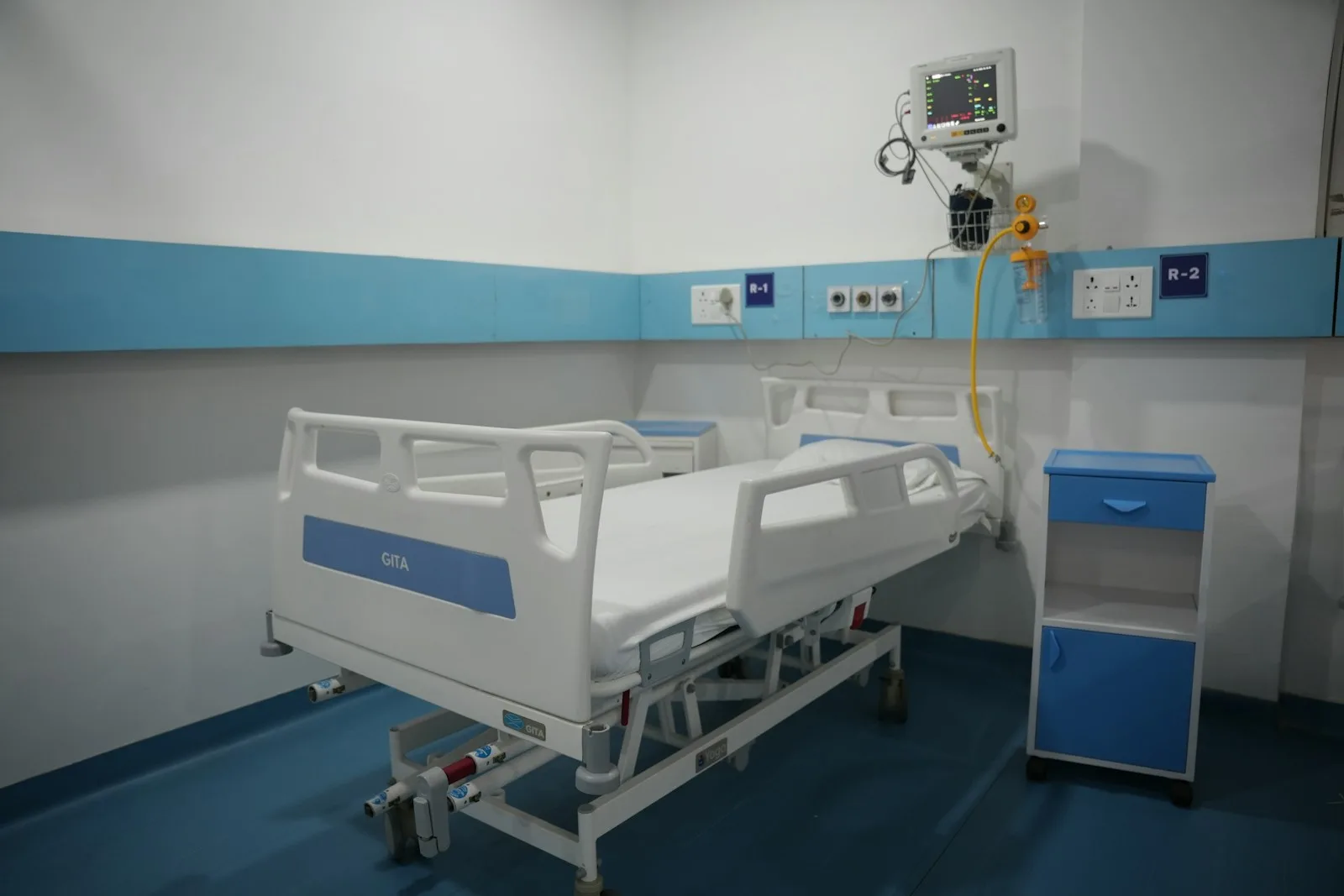
When a medical emergency happens, the last thing a family wants to worry about is arranging cash for hospital admission. Cashless hospitalization solves exactly this problem, letting the insurer settle the bill directly with the hospital. But the process has specific rules and steps that are worth understanding before you actually need to use it.
How Cashless Hospitalization Works
Under a cashless arrangement, your health insurer has a tie-up with a network of hospitals. When you’re admitted to one of these network hospitals for a covered treatment, the hospital sends your treatment details and estimated cost directly to the insurer, or its Third Party Administrator known as a TPA, for approval. Once approved, the insurer settles the eligible bill amount directly with the hospital, and you typically only pay for anything outside your policy’s coverage.
Planned vs Emergency Cashless Claims
Cashless claims fall into two categories with different timelines. For planned hospitalization, a scheduled surgery for instance, you should inform the insurer and get pre-authorization at least 48 to 72 hours before admission. For emergency hospitalization, the hospital’s insurance desk typically raises the pre-authorization request within 24 hours of admission, and the insurer usually responds within a few hours for genuine emergencies.
- Planned admission: notify insurer 48-72 hours in advance
- Emergency admission: hospital raises request within 24 hours of admission
- Keep your policy number and ID card details handy at all times
Step-by-Step: Filing a Cashless Claim
The process is more straightforward than it seems once you know the sequence.
- Choose a hospital from your insurer’s network list
- Show your health card and policy details at the hospital’s insurance desk on admission
- The hospital fills and submits a pre-authorization form to the insurer or TPA
- The insurer reviews and approves, or queries, the request, usually within a few hours
- On discharge, the hospital sends the final bill for settlement; you pay only for non-covered items
Advisor Tip: Always carry a printed or digital copy of your health insurance card and policy number when travelling. In emergencies, hospitals process cashless requests faster when the front desk has your policy details immediately, rather than waiting for you to retrieve them from home.
What Cashless Hospitalization Does Not Cover
Cashless approval does not mean every rupee of your hospital bill is waived. Items such as registration fees, certain consumables, attendant charges beyond policy limits, and amounts exceeding your room rent sub-limit are commonly excluded and must be paid by you directly. Reading your policy’s list of non-payable items in advance helps you anticipate these costs.
Network Hospitals: Why They Matter
Cashless treatment is only available at hospitals within your insurer’s network. If you’re treated at a non-network hospital, you’ll typically need to pay upfront and file for reimbursement afterward, a slower process. It’s worth checking, in advance, that hospitals near your home and workplace are part of your insurer’s cashless network.
Common Reasons Cashless Requests Get Rejected
Cashless pre-authorization can be denied or delayed for reasons like incomplete information on the form, treatment falling under a waiting period that hasn’t been served, insufficient sum insured remaining for the policy year, or the treatment being explicitly excluded under the policy. In such cases, you may still be able to claim reimbursement later if the treatment itself is otherwise covered, though this requires more paperwork after the fact.
Conclusion
Cashless hospitalization is one of the most valuable practical benefits of health insurance, removing the financial scramble during a medical crisis. Understanding the pre-authorization process, keeping your network hospital list handy, and knowing what typically isn’t covered will help your family use this benefit smoothly when it matters most.
Key Takeaways
- Cashless hospitalization lets the insurer pay the hospital directly instead of you paying and claiming reimbursement later
- Planned admissions need pre-authorization 48-72 hours in advance; emergencies are processed within hours of admission
- Non-payable items like registration fees and certain consumables must still be paid out of pocket
- Cashless treatment is only available at hospitals within your insurer’s network
- Keep your policy card and number accessible at all times, especially while travelling
Frequently Asked Questions
What is the difference between cashless hospitalization and reimbursement claims?
In cashless hospitalization, the insurer pays the network hospital directly for eligible expenses. In a reimbursement claim, you pay the hospital bill yourself first and then submit documents to the insurer to be paid back later. Cashless is faster and easier when you use a network hospital.
Can I use cashless hospitalization at any hospital?
No, only at hospitals that are part of your insurer’s specific network. Treatment at a non-network hospital usually requires you to pay upfront and claim reimbursement afterward.
How long does cashless approval usually take?
For planned hospitalization submitted 48-72 hours in advance, approval is typically confirmed before admission. For emergencies, insurers generally respond within a few hours of the hospital raising the request, though this can vary by case complexity.
What happens if my cashless request is rejected?
You can still proceed with treatment and pay the hospital yourself, then file for reimbursement if the treatment is genuinely covered under your policy. Common rejection reasons include waiting periods not yet served, exclusions, or incomplete documentation; check with your insurer or TPA for the specific reason.
Keep exploring
Insurance is the subject matter of solicitation. IRDAI does not endorse any insurance product or advisor. Please read the policy brochure, benefits, exclusions and terms carefully before purchase.