Health Insurance
Why Health Insurance is More Important Than Ever
· Updated · 7 min read
Prime Care Associates Editorial TeamLicensed Insurance Advisors
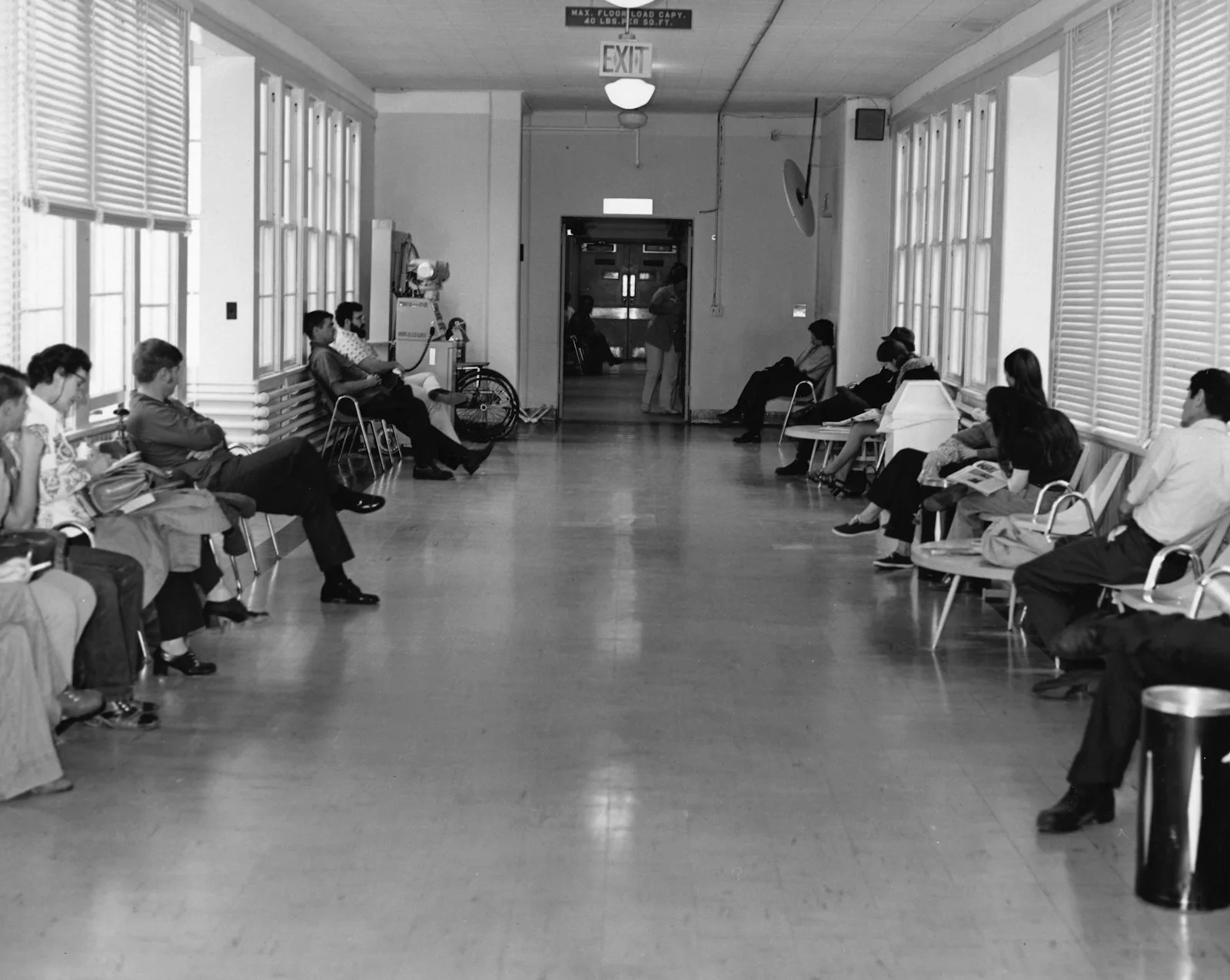
A decade ago, a family without health insurance could still get by, leaning on savings or borrowing from relatives if a hospital visit came up. That safety net has worn thin. Hospital bills have climbed faster than most incomes, lifestyle diseases are appearing in people a decade or two younger than before, and a single unplanned admission can undo years of careful saving. Health insurance has quietly moved from ‘nice to have’ to genuinely essential — here is why.
Medical Costs Are Rising Faster Than Most People Realise
Healthcare costs in India have been rising well above general inflation for years, a trend commonly referred to as medical inflation. Room rents, diagnostic tests, surgeon fees, and medicine costs at private hospitals — where a large share of quality urban and semi-urban care happens — have all climbed steadily. A hospitalization that might have cost a modest sum a decade ago can now run into lakhs of rupees, particularly for surgeries, ICU stays, or extended treatment.
Without insurance, this cost falls entirely on savings, or worse, on debt taken during an already stressful time. Health insurance essentially transfers this unpredictable cost to the insurer in exchange for a manageable annual premium.
Lifestyle Diseases Are Appearing Earlier
Diabetes, hypertension, and heart-related conditions are increasingly common among working professionals in their thirties and forties, driven by sedentary jobs, long commutes, irregular eating patterns, and high stress. These are not rare, unlucky events anymore — they are common enough that most families will encounter at least one such diagnosis, whether for themselves or a close relative.
A health insurance policy taken early, before any diagnosis, avoids the waiting periods and exclusions that often apply to pre-existing conditions, making early purchase far more valuable than waiting until a health issue actually appears.
A Single Hospitalization Can Undo Years of Savings
Consider a family that has diligently saved ₹8 lakh over several years toward a home down payment or a child’s education. A sudden cardiac event requiring bypass surgery, or an extended ICU stay following an accident, can consume a significant portion of that fund in a matter of days. Health insurance exists precisely to prevent one medical emergency from derailing years of otherwise disciplined financial planning.
Advisor Tip: Do not judge a health policy purely by its premium. A slightly higher premium that removes co-payment clauses or covers a wider hospital network often saves far more during an actual claim.
Cashless Treatment Removes a Major Point of Stress
Most health insurers, including specialists like Niva Bupa, maintain networks of empanelled hospitals where policyholders can receive cashless treatment — the insurer settles the bill directly with the hospital, so the family does not need to arrange large sums of money at admission time. This matters enormously during emergencies, when the last thing a family should be doing is running between banks or relatives to arrange funds while a loved one needs urgent care.
- Reduces the need to liquidate investments or take on high-interest loans during an emergency
- Removes the burden of upfront payment at hospital admission
- Speeds up access to treatment since paperwork is handled between the hospital and insurer
- Gives families the mental space to focus on the patient, not the finances
The Real Cost of Staying Uninsured
Many people avoid buying health insurance because they feel healthy and assume they won’t need it soon. But insurance is not designed around certainty — it is designed around risk. The relatively small, predictable cost of an annual premium is what protects against the large, unpredictable cost of a medical emergency. Delaying purchase also means missing out on lower premiums typically available at a younger age, and risking new exclusions if a health condition develops in the meantime.
Conclusion
Health insurance has stopped being an optional financial product and become a basic requirement for financial stability in India today. Rising treatment costs, earlier onset of lifestyle diseases, and the sheer unpredictability of medical emergencies mean that going without cover is now a much bigger gamble than it used to be. If your family does not yet have adequate health insurance, treating it as a priority rather than a someday task is one of the most protective financial decisions you can make.
Key Takeaways
- Medical inflation has pushed hospitalization costs well above general inflation, making uninsured treatment increasingly risky.
- Lifestyle diseases like diabetes and hypertension are appearing earlier, making early insurance purchase more valuable due to pre-existing condition waiting periods.
- A single major hospitalization can consume years of savings if there is no insurance cover in place.
- Cashless treatment at network hospitals removes the stress of arranging large sums of money during an emergency.
- Buying health insurance while healthy locks in lower premiums and avoids future exclusions tied to new diagnoses.
Frequently Asked Questions
At what age should I buy health insurance?
As early as possible, ideally in your twenties or early thirties. Premiums are lower when you are younger and healthier, and buying before any diagnosis avoids waiting periods and exclusions tied to pre-existing conditions.
Does health insurance really cover the full hospital bill?
It depends on your policy’s sum insured, room rent limits, and any co-payment clauses. Choosing an adequate sum insured and understanding these clauses upfront is important to avoid unexpected out-of-pocket costs during a claim.
What is cashless treatment and how does it help?
Cashless treatment means the insurer settles the bill directly with an empanelled network hospital, so you do not need to pay upfront and claim reimbursement later. This is especially valuable during emergencies when arranging large sums quickly can be difficult.
Is employer-provided health insurance enough on its own?
Employer group policies are a good starting layer, but they usually offer limited cover and stop the moment you change or lose your job. A personal health insurance policy provides continuous, independent protection regardless of your employment status.
Keep exploring
Insurance is the subject matter of solicitation. IRDAI does not endorse any insurance product or advisor. Please read the policy brochure, benefits, exclusions and terms carefully before purchase.